

 Nederlands
 普通话
普通话 Deutsch
 Español
 Français
 Italiano
 日本語
日本語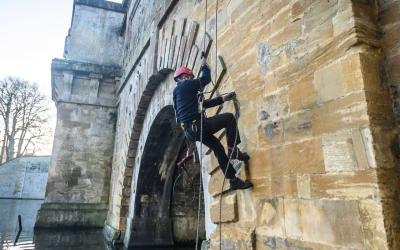
With its mix of ancient woodland, open parkland, farmland, and historic buildings, our Estate offers the perfect habitat for bats. Through long-term partnerships and careful wildlife restoration, we’re helping protect rare and endangered species that play a crucial role in maintaining healthy ecosystems.
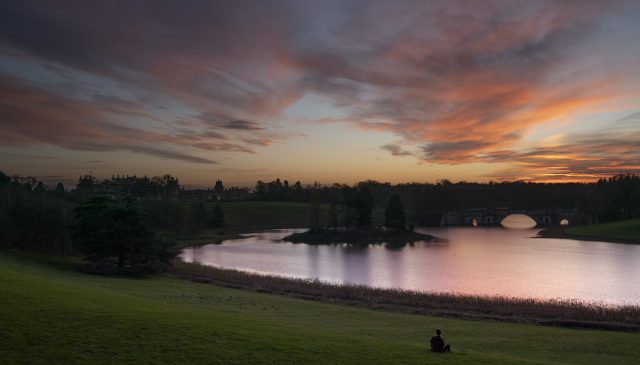
Nightfall Over The Estate
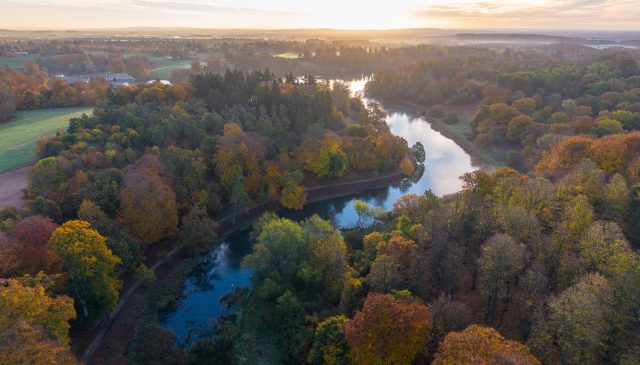
As twilight settles over the Great Lake, the skies above Blenheim Palace come alive with swift, darting shapes — bats taking flight for the night. These remarkable mammals are the only ones capable of true flight, and their silent, acrobatic movements make them one of nature’s most fascinating sights. But beyond their graceful silhouettes, bats play a vital role in keeping our ecosystem in balance, feeding on insects and supporting biodiversity across the Estate.
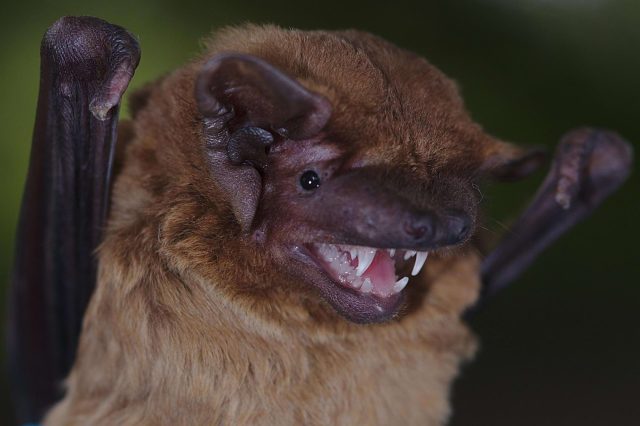
A Haven for Rare Species
Our Estate is home to at least ten of the UK’s 17 resident bat species — making Blenheim one of Oxfordshire’s richest locations for bats. Among them is the elusive barbastelle bat, officially classed as Near Threatened on the IUCN Red List, with fewer than 5,000 believed to remain in the UK. This rare species is thought to be breeding in our ancient woodlands, alongside other residents such as Daubenton’s, Brown Long-Eared, Lesser Horseshoe, Leisler’s, Noctule, Natterer’s, and all three species of Pipistrelle.
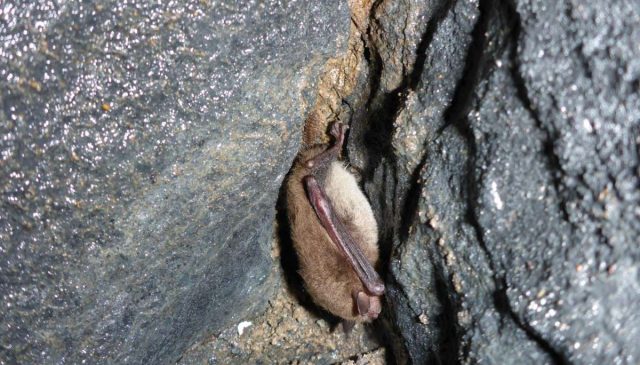
Historic Hidden Roosts
Our Estate’s wide variety of habitats — from parkland and woodland to lakes and farmland — provides the perfect setting for these night-time flyers. Many of Blenheim’s historic buildings also double as roosting havens. The iconic Grand Bridge, designed by John Vanbrugh, hides up to 33 unused chambers that have become an important breeding site for Daubenton’s bats, including around 60 females. Other secretive roosts can be found in the Seven Arches Bridge, Flagstaff Gate, all of which offer ideal shelter during summer and hibernation months.
Protecting Our Bat Resident's
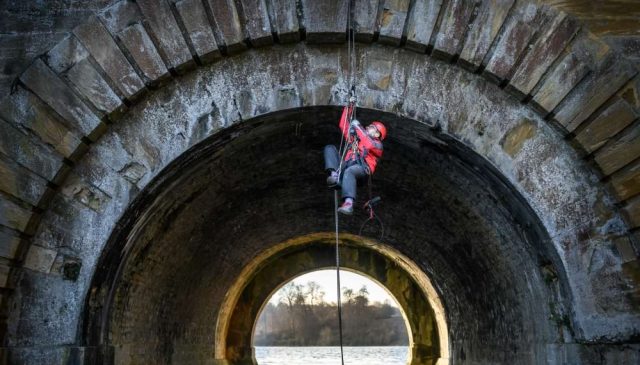
We’re proud to work closely with professional ecologists BSG Ecology Ltd to protect and study our bat colonies. Over the last decade, ecologists have even abseiled down the Grand Bridge, using miniature cameras to monitor roosting sites. Together, we’ve installed bat boxes and developed new ways to improve roosting conditions, ensuring that every restoration project supports the species that call Blenheim home.
Guardians of the Night
Although bats and their roosts are protected by law, their numbers have declined over the past century due to human activity. At Blenheim, we’re working to reverse that trend. By preserving both natural and manmade habitats, and by maintaining our long-term partnerships with conservation groups, we’re helping these nocturnal guardians thrive once more.
So next time you stroll through the park at dusk, take a moment to look up — those swift, silent shapes above the lake are a sign that Blenheim’s nights are as full of life as its days.
Newsletter sign-up
Stay up to date with our latest news, offers and events by entering your details here...