
 English
 Nederlands

 Deutsch

 Français
 Italiano
 日本語
The use of our new robot dogs will help us to gather data on the health and biodiversity of our Estate
Published
Our Ancient Oaks’ Starring Role in Attenborough’s Wild Isles
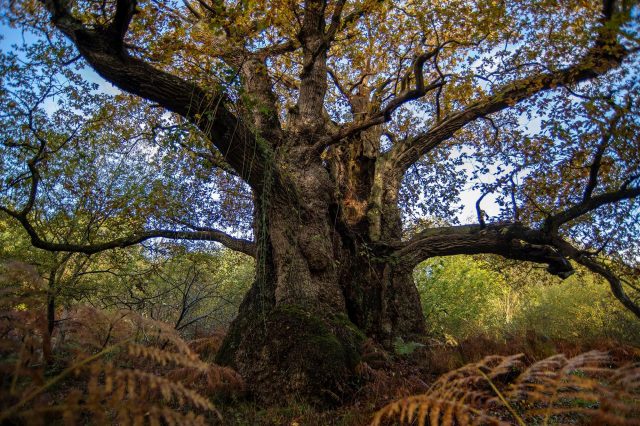
A thousand-year-old oak on our Estate has a starring role in David Attenborough’s landmark BBC series ‘Wild Isles’.
The tree, which has a nine-metre circumference, is estimated to be 1,045 years old and was already nearly a centenarian at the time of the Norman Conquest. In the new documentary series, the mighty tree, alongside our other ancient oaks, is used to illustrate the extraordinary biodiversity trees support.
Visit Britain’s Greatest Palace and its stunning grounds
Book Tickets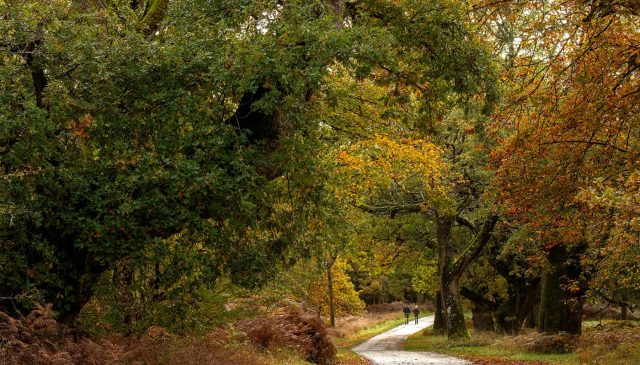
“It was fantastic to see the estate’s unique collection of veteran oak trees featured in the new series,” said Rural Manager Nick Baimbridge.
“I was with the BBC team who came and filmed with us for several weeks back in 2021 and it was wonderful to see how their patience and skills succeeded in bringing the secret world of this amazing tree to life.
“To be a small part of such a ground-breaking and important series highlighting both the richness but also the fragility of our native fauna and flora is very special,” he added.
The oak is one of more than 866 veteran oaks on our Estate in an area known as High Park, which our visitors can explore via a series of waymarked permissive footpaths.
A recent survey revealed the woodland is home to more than 2,800 separate species making it one of the most biodiverse habitats in the country.
More than 60 different birds like goshawks, peregrine falcons, spotted flycatchers and redstarts have been recorded alongside 19 mammals including stoats, field voles, fallow deer, badgers and nine different bat species.
The site is also home to at least 243 different beetles, over 600 species of moth and more than 20 butterfly species, along with 35 arachnids and 161 different ants, wasps and bees.
Among the seven different reptiles and amphibians present are common lizards, slow worms, grass snakes, great crested newts and toads.
In addition to the varied fauna, High Park also supports 275 types of plants and flowers and so far, a total of 334 fungi have been recorded.
More stories


Discover how your support helps protect Blenheim Palace, a UNESCO World Heritage Site, for future generations — from urgent restoration to living landscapes and community heritage.

The restoration of The Triumphal Entry of Alexander into Babylon is a major conservation project at Blenheim Palace, carefully preserving one of its most significant historic tapestries through specialist treatment to ensure it can be enjoyed for generations to come.
Newsletter sign-up
Stay up to date with our latest news, offers and events by entering your details here...