
 English
 Nederlands

 Deutsch

 Français
 Italiano
 日本語
Dredging Our Lake
We have now successfully completed the first dredge of the Queen Pool in over 100 years. The dredge has returned the lake to its ideal depth of two metres from its current shallows of 30cm, by removing over 300,000 cubic metres of silt.
Dredging Our Lake
We have now successfully completed the first dredge of the Queen Pool in over 100 years. The dredge has returned the lake to its ideal depth of two metres from its current shallows of 30cm, by removing over 300,000 cubic metres of silt.This was the final stage in a wider project which has seen successful repairs to both the Vanbrugh Bridge and the Cascades.
Grand Cascade RepairsRestored WaterfallBridge Restoration
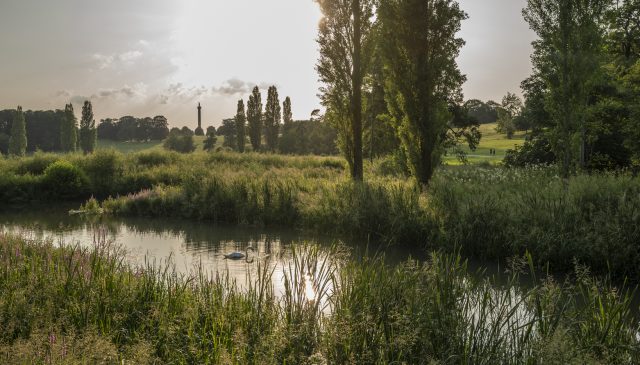
Why did we need to dredge?
An important part of the Blenheim World Heritage Site, Queen Pool, had become heavily silted which put its well-developed ecosystem at risk. The biggest threat came from the lake’s significant build-up of silt: 70% of the water was less than 30cm deep when it should have been around two metres to support the existent ecosystem and the creatures who depend on it. If we hadn't dredged the lake, we would've been at risk of it drying up completely.
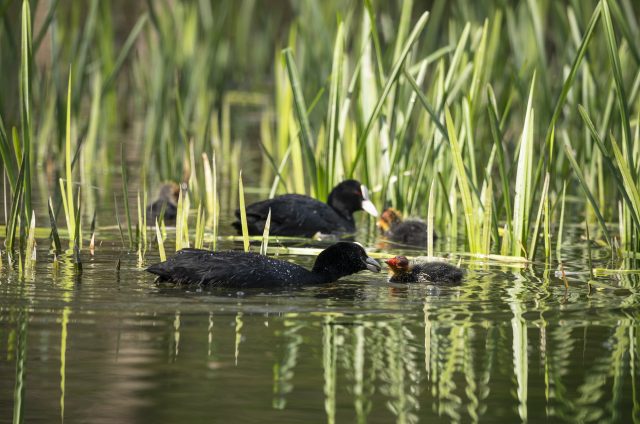
Important Ecosystem
The lake’s ecosystem is high in nitrogen and phosphates creating the perfect environment for algae, an important food source for the lake’s many fish, amphibians, and insects. The area is a designated Site of Special Scientific Importance (SSSI) and attracts many overwintering wading birds which rely on the lake for food.
Wildlife surveys carried out by BSG Ecology ahead of the dredging revealed that the Estate is home to a huge variety of wildlife, including more than 50% of the UK’s different bat species, 36 types of wildfowl, water voles, badgers, otters, reptiles and a number of rare insect species.
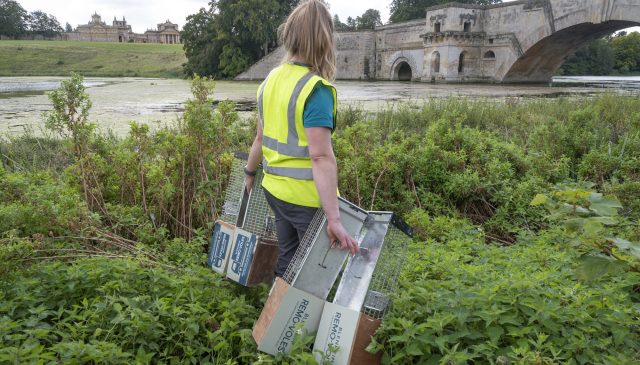
Remo-Voles
The water vole lives along rivers, streams and ditches and around ponds and lakes, which made our Queen Pool the perfect habitat for them. Due to the dredge activity taking place where the water voles resided, they were moved to a safe place for the duration of the work, which allowed them to continue to live happily in the local area. We worked closely with Ecologists to ensure that in moving the voles we followed the good practice set out in the Water Vole Conservation Handbook, fully licensed by Natural England.
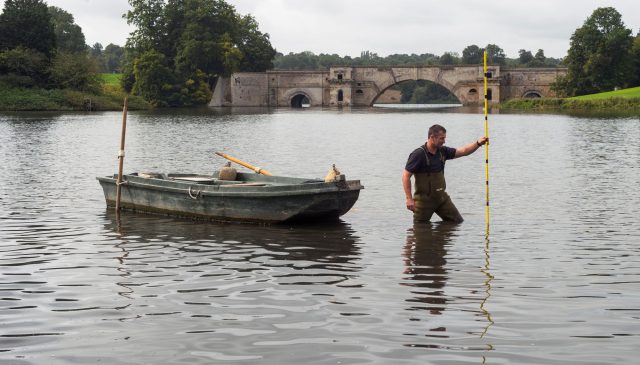
Fish
When the Queen Pool water level was lowered in October 2018, all the fish were moved to the Great Lake, with a net separating the two water habitats.


Newsletter sign-up
Stay up to date with our latest news, offers and events by entering your details here...