

 Nederlands
 普通话
普通话 Deutsch
 Español
 Français
 Italiano
 日本語
日本語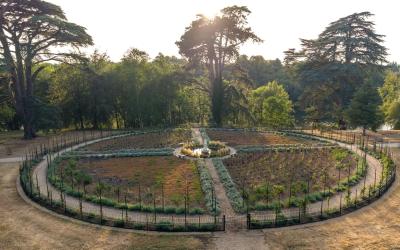
Rosarium Q&A with our Head Gardener, Andy Mills
What is the difference between a Rose Garden and a Rosarium?
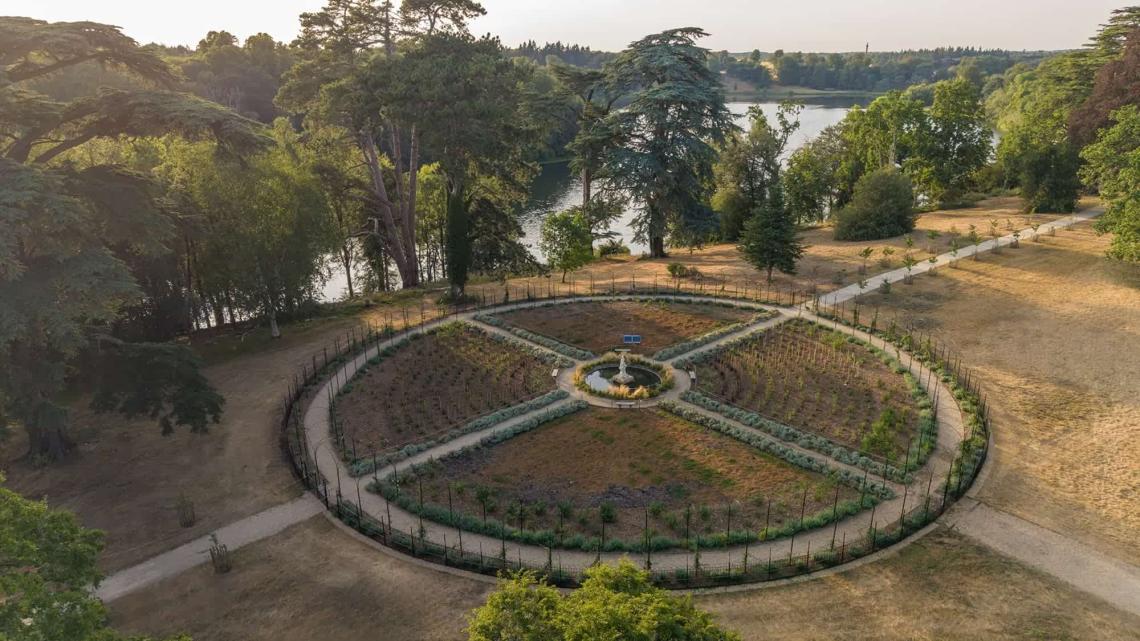
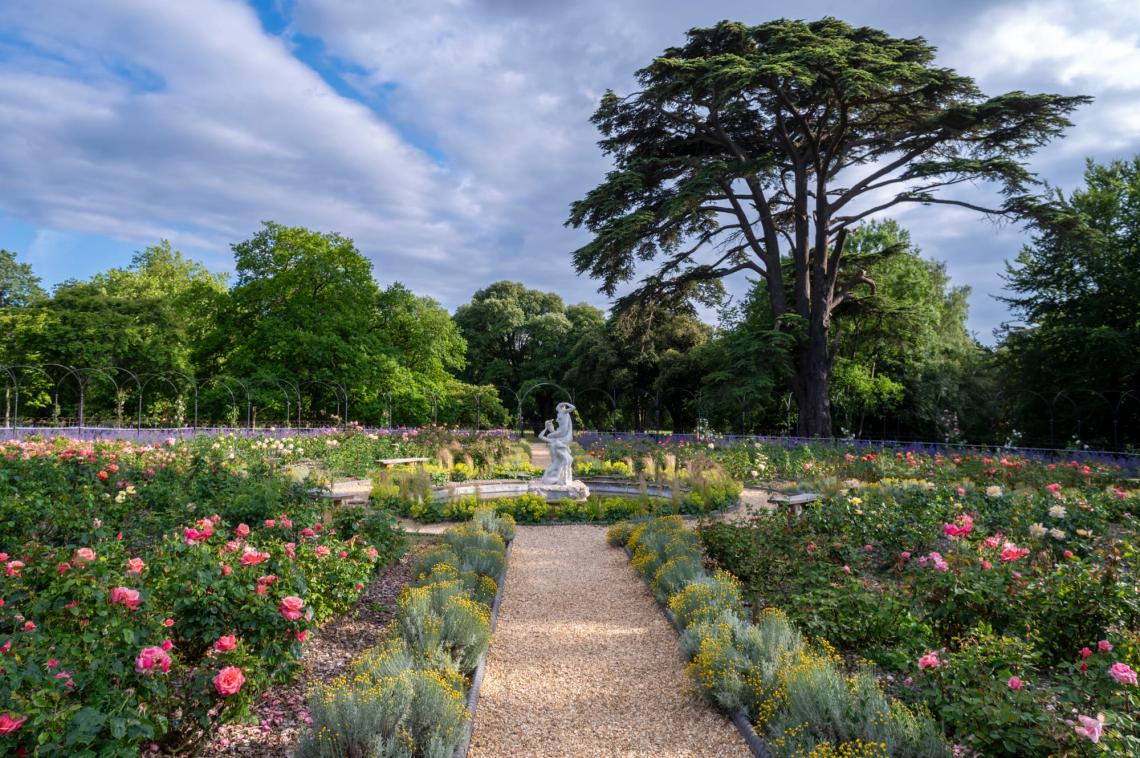
Any garden space where roses are the principal feature can be called a Rose Garden, and it doesn’t imply a specific design tradition. The term ‘rosarium’ is more specific and is typically used for gardens or collections dedicated specifically to roses, or for spaces with a more formal and geometric design such as paths, arches and a central focal point. It also suggests intentional horticultural display rather than an incidental planting. Although our Rosarium has previously been called a Rose Garden, due to fitting the criteria above it technically should be referred to as a Rosarium.
When was the Rosarium created?
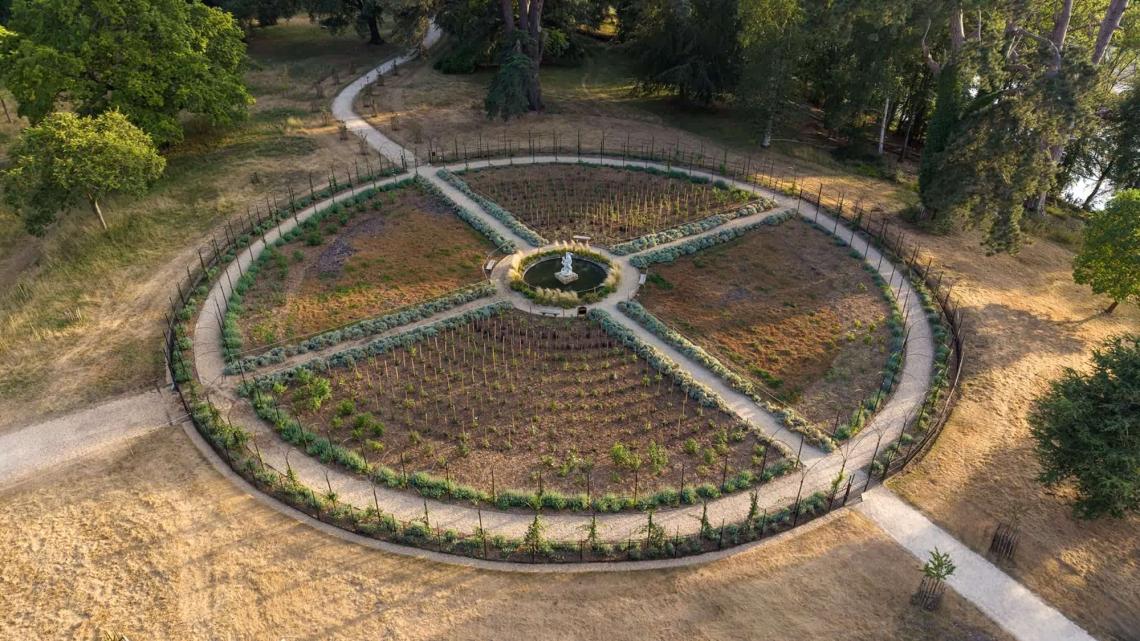
The Rosarium at Blenheim Palace was commissioned by the 7th Duke, who was a passionate plant hunter and gardener, in the 1870s. Its circular layout of structured beds, pathways and central pond and fountain was based on the height of Victorian garden fashions at the time, and the 7th Duke would have frequently taken guests there.
Why are there fewer roses than there used to be?
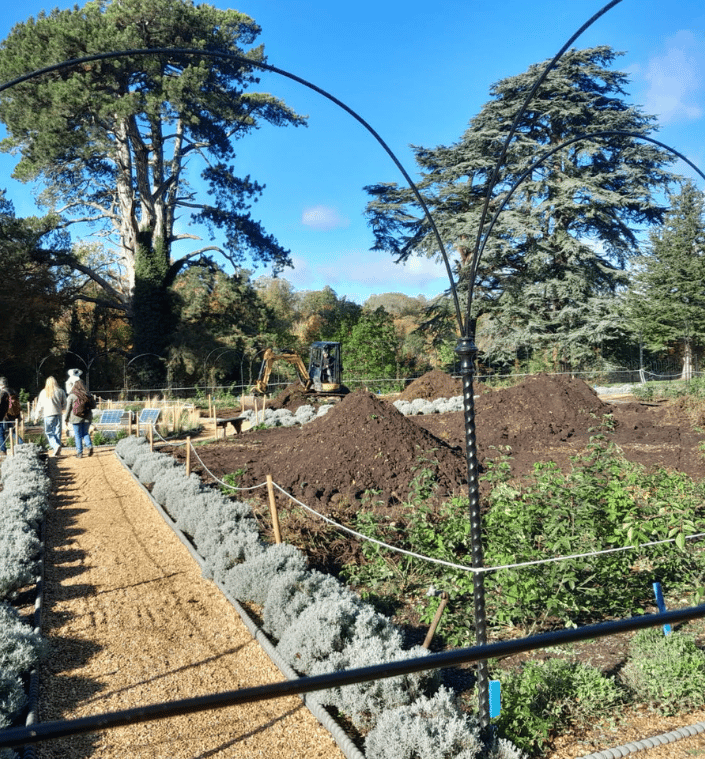
You may have noticed that our Rosarium is looking a little different at the moment, with fewer roses than in previous years blooming over the summer. It is currently undergoing a long-term period of restoration to return it to its original 1800s design. The previous rose beds had become too high over the years due to excessive mulch applications, allowing the roses to root into the mulch and dry out very quickly. They were looking tired and past their best. The Gardening Team removed these roses and reduced the soil height of the beds then left the beds to remain ‘fallow’ for a season (resting the soil by leaving it unplanted). Since then they have planted alliums, which helped to break up the soil in preparation for the new roses and made a striking spring display earlier this year, followed by hundreds of dahlias for a late-summer array of colour. 200 varieties of rose are being planted between now and 2028, all period varieties that would have been grown there when the Rosarium was first created in the 1800s'.
When will the new roses be planted?
Our Gardening Team have already begun to replant period-appropriate roses beside the arches and outer edges of the beds. Nepeta (commonly known as catmint) has been planted around the roses to deter pests as well as provide food for bees and other insects. The central beds are currently filled with dahlias but will be replanted with roses in 2028.
Why are many of the roses not being planted until 2028?
Unlike off-the-peg types of roses that you can buy at your local garden centre, the roses being grown are period varieties which take a long time for professional rose growers to develop. The Gardening Team have chosen these varieties to accurately reflect what would have been planted when the Rosarium was first commissioned by the 7th Duke in the 1870s. Come 2028, we look forward to seeing them in full bloom throughout the Rosarium, and are confident that they will be worth the wait!
Have there been any other changes?
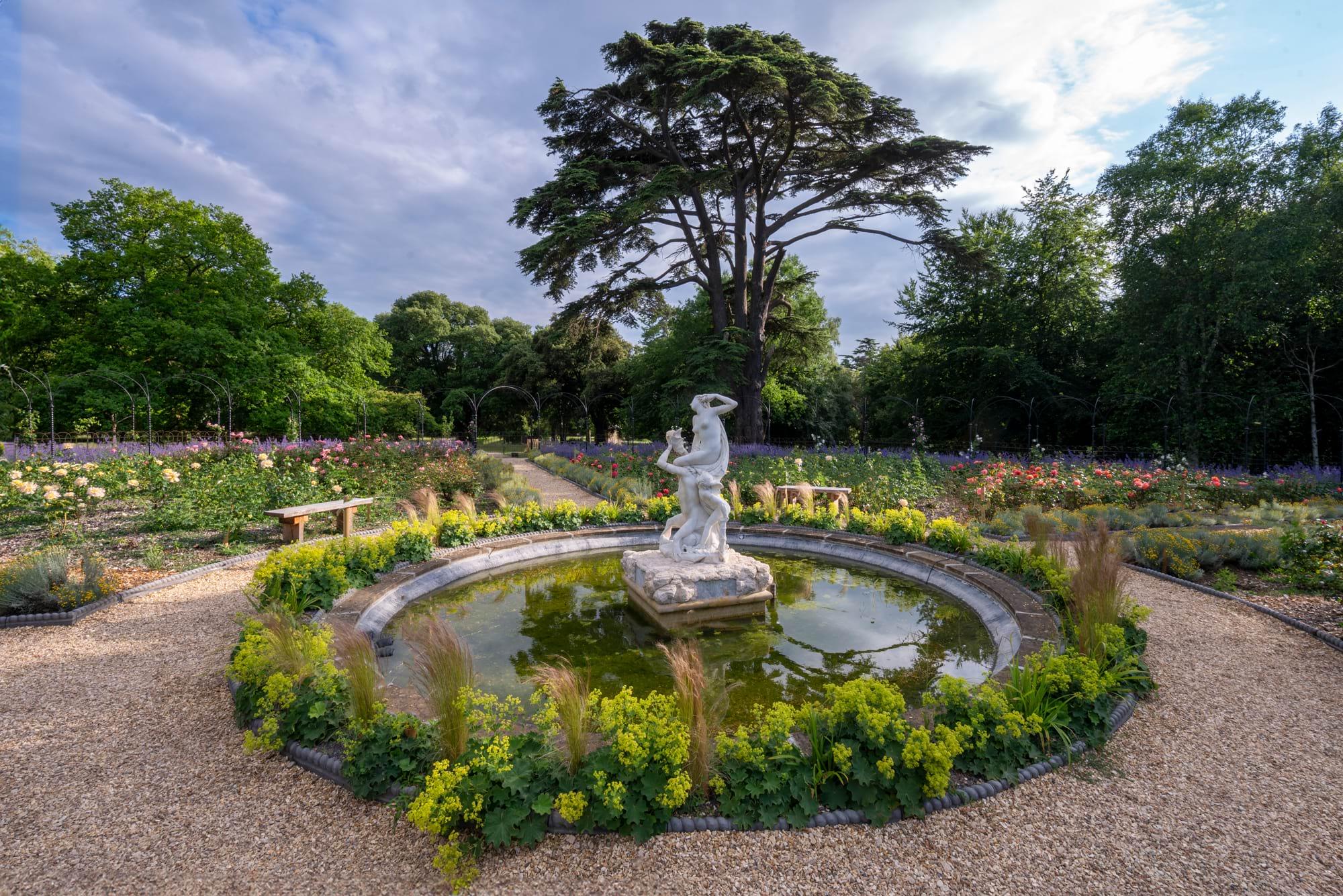
Yes, quite a few! The central pond was recently restored - previously, it was filled in and planted with roses. The pond is being used for irrigation as well as its original purpose, which was to cool down the air in the Rosarium, helping the roses to bloom for longer. With temperatures rising in the summer months, it is now serving this purpose more than ever. The centrepiece statue, which dates back to the 1920s, has been carefully cleaned, repaired and placed back in the Rosarium alongside repairs of the fountain’s jets.
Over time, the gravel paths had become irregular and ill-defined. The Gardening Team have installed stone edging to redefine them and restore the formality. The metal arches had become discoloured and cumbersome with too much paint. These arches have been cleaned and repainted, ready for the new roses to be trained over them.
The pathway from the Temple of Diana to the Rosarium has been reinstalled, allowing visitors to access and exit the Rosarium through the double gates. This would have been the entrance historically used by the Duke and his guests, rather than the previous single gate, an entrance that would only have been used by staff.
Newsletter sign-up
Stay up to date with our latest news, offers and events by entering your details here...