

 Nederlands
 普通话
普通话 Deutsch
 Español
 Français
 Italiano
 日本語
日本語
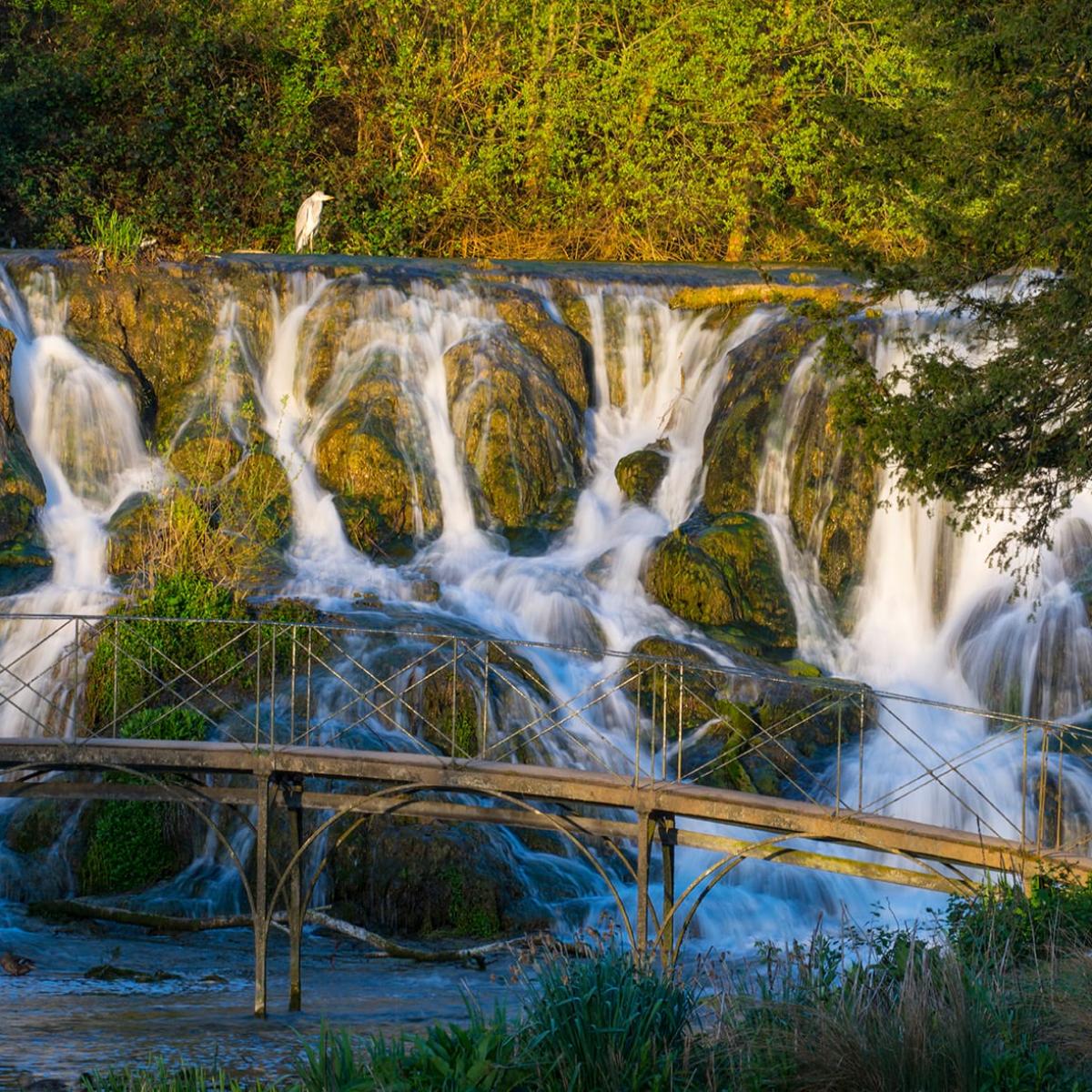
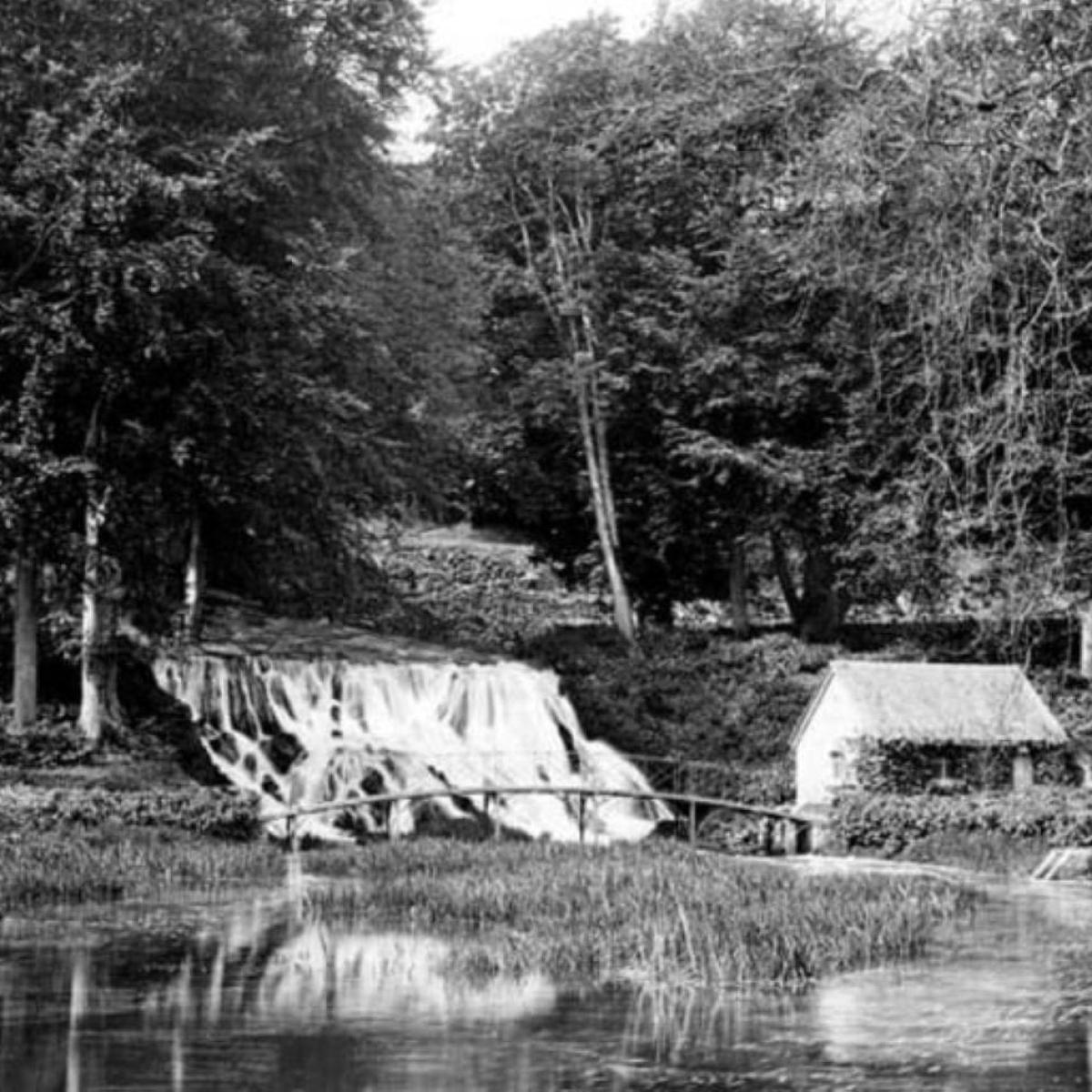

The Cascades are one of the most striking features within the landscaped parkland of Blenheim Palace. Designed by Lancelot ‘Capability’ Brown as part of his transformation of the Gardens and Great Lake, the project was commissioned by the 4th Duke of Marlborough in 1763 and took eleven years to complete. Brown’s redesign helped shape the sweeping landscape that defines the estate today.
To create the Great Lake, Brown widened the River Glyme by excavating the surrounding valley, flooding the landscape, and constructing a dam. The Cascades originally formed the overflow section of this ambitious engineering project, with water flowing dramatically from the lake above while complementing Brown’s vision of a natural English landscape designed to appear untouched by human hands.
Combining movement, sound, and natural beauty, the Cascades remain one of the most iconic and atmospheric areas of the Blenheim estate. Designed to appear entirely natural within the surrounding landscape, the flowing water and dramatic stonework reflect Capability Brown’s remarkable ability to shape the landscape while preserving the illusion of untouched scenery, a legacy that continues to define the Gardens today.Today, visitors can walk onto the Cascades bridge itself, taking in sweeping views across the water and experiencing Capability Brown’s landscape design.
Located near the Grand Cascade at Blenheim Palace, the pump house is a separate feature within the park that forms part of the estate’s historic water‑management system. Buildings of this kind were used to control water flow and maintain features such as the lake and cascades, ensuring both their practical operation and visual effect. Its significance lies in demonstrating the important role of engineering infrastructure in supporting and sustaining the carefully designed landscape seen at Blenheim today.
Newsletter sign-up
Stay up to date with our latest news, offers and events by entering your details here...